Professional Concrete Contractor for All Your Construction Needs
Engaging a competent concrete contractor is indispensable for the success of any construction project. Their technical knowledge secures that tasks are completed efficiently and to a top-tier quality. These specialists manage challenges with skill and have strong ties that simplify material sourcing. Grasping local regulations and placing emphasis on safety are also critical dimensions of their role. Yet, many ignore the long-term benefits of choosing the right contractor. What points should one assess when making this vital decision?
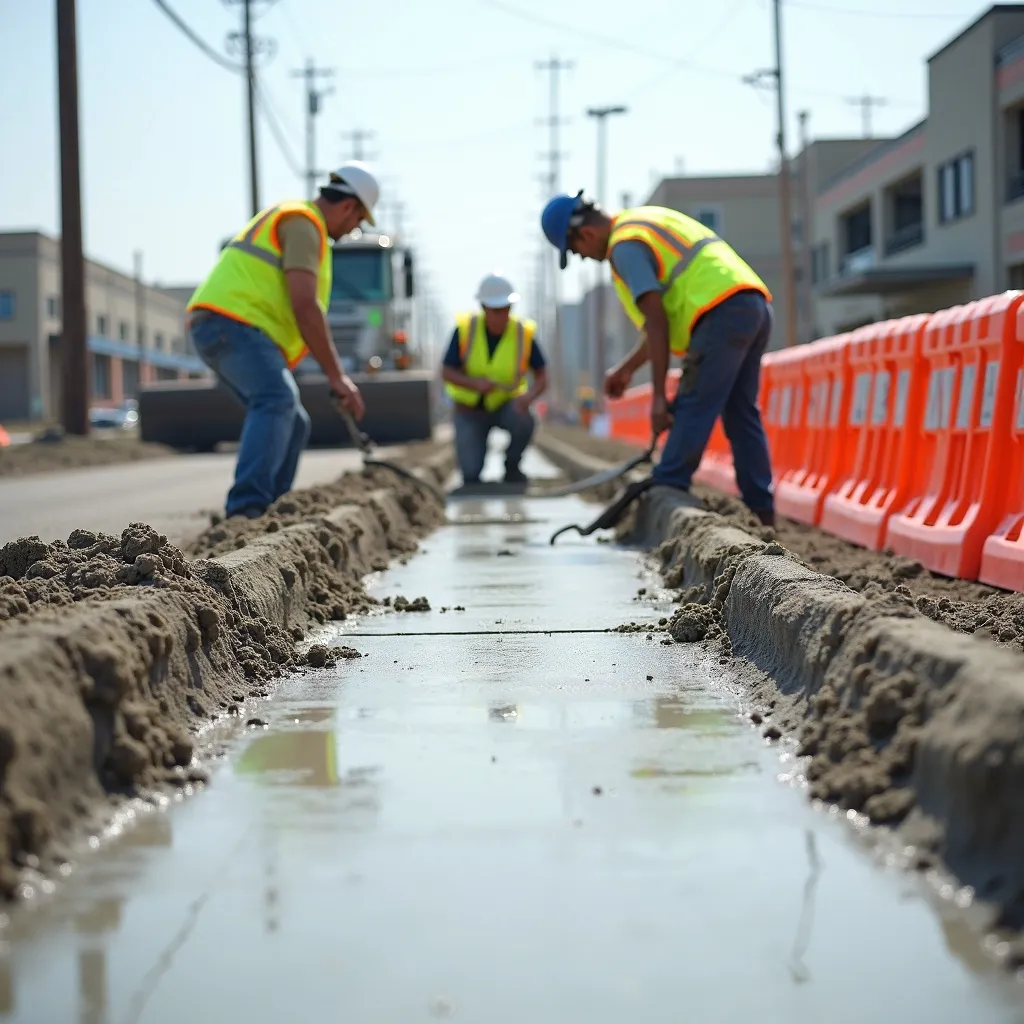
Why Employing an Seasoned Concrete Contractor Is Important
When deliberating a building proposal, the importance of retaining an experienced concrete contractor cannot be diminished. An skilled contractor contributes a tremendous collection of competence and capabilities that are imperative for assuring the quality and strength of concrete work. Their expertise with varied techniques and materials enables wiser decision-making, finally achieving a more dependable and steadfast structure.
Also, veteran contractors are skilled at managing likely difficulties that may occur during the building undertaking. They are equipped to address unexpected issues efficiently, minimizing holdups and additional costs. In addition, an experienced contractor often has established relationships with suppliers and subcontractors, which can enhance the procurement of materials and resources.
Important Qualities of a Credible Concrete Contractor
A dependable concrete contractor possesses several crucial qualities that set them apart in the construction industry. First and foremost, excellent communication abilities are fundamental; they ensure that clients are informed during the entire project, fostering confidence and understanding. Furthermore, a strong track record established through favorable client reviews and recommendations indicates a contractor's reliability and quality of work.
Additionally, competence with various concrete applications, combined with awareness of the latest techniques and materials, enables them to produce superior results. Close attention to detail is another crucial quality, as it confirms precise measurements and superior standards of workmanship.
Ultimately, a devotion to safety and rule adherence exemplify professional expertise and dependability. By manifesting these strengths, a reliable concrete contractor not only achieves client expectations but also contributes to outstanding project results, making them indispensable in the construction field.
Tips for Selecting the Ideal Concrete Project for Your Situation
Choosing the proper concrete task requires precise consideration of exact needs and objectives. Individuals should start by evaluating the intended use of the concrete, whether for learn about this driveways, foundations, or decorative elements. A clear understanding of the project's purpose steers the selection of materials and methods.
Next, budget constraints are an important role. Analyzing current monetary assets supports in determining the extent and intricacy of the project. Additionally, the local climate can impact the choice of concrete selection and finishing techniques, ensuring sustainability and permanence.
It is also critical to account for the timeframe for project completion. Some concrete applications require curing time, which may impact your schedule. Speaking with an seasoned concrete specialist can deliver helpful guidance into the best practices and available options. In the end, matching the project's particular details with individual preferences leads to a successful concrete undertaking that fulfills the intended results.
What You Must to Know About Local Concrete Regulations?
Grasping local concrete codes is important for any building initiative, as these rules determine various aspects of concrete employment, including material specifications, application techniques, and sustainability factors. These codes are typically formulated by municipal or state authorities and can vary greatly from one location to another.
Contractors ought to understand zoning laws, which can influence where concrete structures may be placed. Additionally, building codes regularly prescribe the required strength and composition of concrete mixes, maintaining safety and durability. Environmental regulations may also require the use of eco-friendly materials and proper waste disposal methods to limit environmental impact.
Noncompliance with these regulations can produce fines, construction delays, or even legal action. In turn, communicating with local authorities in the initial phases of the planning process is advisable. Knowing and complying with these regulations not only supports community safety but also reinforces the integrity of the construction project.
Why Professional Specialists Reduce You Precious Time and Money
Skilled contractors play a pivotal role in streamlining construction projects, allowing clients to benefit from both time effectiveness and cost savings. Their extensive experience empowers them to work through complex tasks swiftly, shortening the overall project timeline. By leveraging industry connections, skilled contractors often secure better costs on materials, translating to lower expenses for clients.
Additionally, their knowledge of local statutes guarantees compliance, which minimizes the possibility of costly delays and fines. Proficient project administration is yet another critical advantage, as these practitioners coordinate labor and resources, preventing slowdowns that can lead to amplified outlays.
Moreover, by applying established methods, expert contractors reduce the probability of errors, which can cause costly revisions. Ultimately, engaging a seasoned contractor not only improves the caliber of the project but also maximizes budget allocation, making it a wise choice for any construction endeavor.
Quality Resources and Processes: Why They Count in Concrete Work
Superior standards in concrete work is essential, as it directly impacts the durability and longevity of any construction project. The procurement of high-grade materials plays a critical role; inferior concrete can lead to cracking, erosion, and structural failure over time. Using quality aggregates, cement, and additives assures that the final product can withstand environmental stresses and heavy loads.
Moreover, leveraging state-of-the-art methods throughout the mixing, pouring, and curing processes considerably strengthens the integrity of the concrete. Correct proportional combinations and curing methods help reaching supreme strength and reduce defects. Experienced contractors grasp these particulars and deploy optimal procedures to secure excellent results.
Ultimately, investing in quality materials and techniques not only enhances the structural performance but also reduces ongoing maintenance expenses. This foundation of reliability is essential for both commercial and residential projects, assuring that they endure through the years. Quality in concrete work is an investment that pays dividends.
Common Questions Asked
Which Types of Concrete Services Do Contractors Generally Provide?
Concrete contractors commonly provide a wide range of services including foundation pouring, driveway installation, decorative concrete work, slab construction, sidewalk and patio creation, resurfacing and repairs, as well as concrete demolition and recycling.
How long does a typical concrete job generally take?
A typical concrete project generally takes between one to three days, depending on factors such as project size, complexity, weather conditions, and curing time. Bigger or more complex projects may require additional time for completion.
What Are the Regular Red Flags of Low-Quality Concrete Work?
Typical indicators of poor concrete craftsmanship include visible cracks, uneven surfaces, improper drainage, color variation, flaking, and surface dusting. These problems typically suggest inadequate curing, improper mixing, or insufficient preparation, undermining the building's soundness and longevity.
Can I Commission Personalized Designs for My Concrete Project?
Yes, personalized designs for concrete installations can be inquired about. Numerous builders provide flexibility in design, permitting customers to add special elements and design qualities that correspond with their goals, boosting both utility and visual appeal.
How Can Climate Factors Influence Concrete Setting Processes?
Weather factors greatly impact concrete curing. High temperatures can speed up drying, leading to cracking, while cold can delay the process, risking incomplete hydration. Ideal curing demands moderate temperatures and controlled moisture to ensure durability and strength.